Insulation Company in Koreatown, CA
Blown in insulation solves the two problems Koreatown buildings struggle with most: heat gain through under-insulated attics and noise traveling through shared walls. In a neighborhood where 1960s-to-2000s apartment blocks sit shoulder to shoulder along streets like Wilshire and Olympic, and 1920s Spanish Colonial bungalows hold onto original construction, the right insulation isn’t a one-size answer. It has to match the building. Porch Light Insulation has served Koreatown since 2014, and we match material to structure, not to whatever is sitting on a warehouse shelf. Call (877) 521-4987 when you’re ready to talk through your building.
Why Koreatown Homes Are Different
Koreatown’s housing stock tells a story in layers. The 1920s bungalows east of Western Avenue often carry original lathe-and-plaster walls that were never insulated, or attic cavities someone filled decades ago with material now settled to half its intended depth. The 1960s through 2000s brought the mid-rise apartment and condo blocks that define the 90005 streetscape today: wood-frame and stucco over ground-floor retail, with shared-wall cavities between units that were built to minimum code and now transmit sound and heat between neighbors.
Those newer buildings are also facing a wave of city-mandated seismic retrofits. Soft-story and non-ductile concrete retrofit work punches through exterior walls and roof decks, which means insulation in Koreatown is frequently a piggyback job. We coordinate with structural engineers, HOA boards, and commercial tenants, and the assemblies we spec are often fire-rated and acoustical rather than simple thermal batts. Radiant heat gain through uninsulated walls and roof decks drives most comfort complaints here, since winters are mild and summers run long and dry. Santa Ana winds push heat into attics that were never vented properly, which makes duct sealing and proper attic insulation the highest-value upgrade for cooling bills.
Our Main Koreatown Services
Koreatown homeowners and building managers tend to call Porch Light about two jobs above all: attic insulation that deals with radiant heat and aging materials, and spray foam that seals and insulates in one pass. Here’s what each involves in this neighborhood.
Attic Insulation in Koreatown
Most Koreatown attics are either empty, under-insulated, or holding old fiberglass batts that compressed years ago. In older 1920s bungalows and 1970s apartment conversions, we often find degraded cellulose or vermiculite that must be tested for asbestos before any upgrade can proceed. Attic work here focuses on radiant heat gain: proper air sealing, ventilation correction, and insulation depth matched to Southern California’s cooling-dominant climate. Read our full breakdown at Attic Insulation in Koreatown.
Spray Foam Insulation in Koreatown
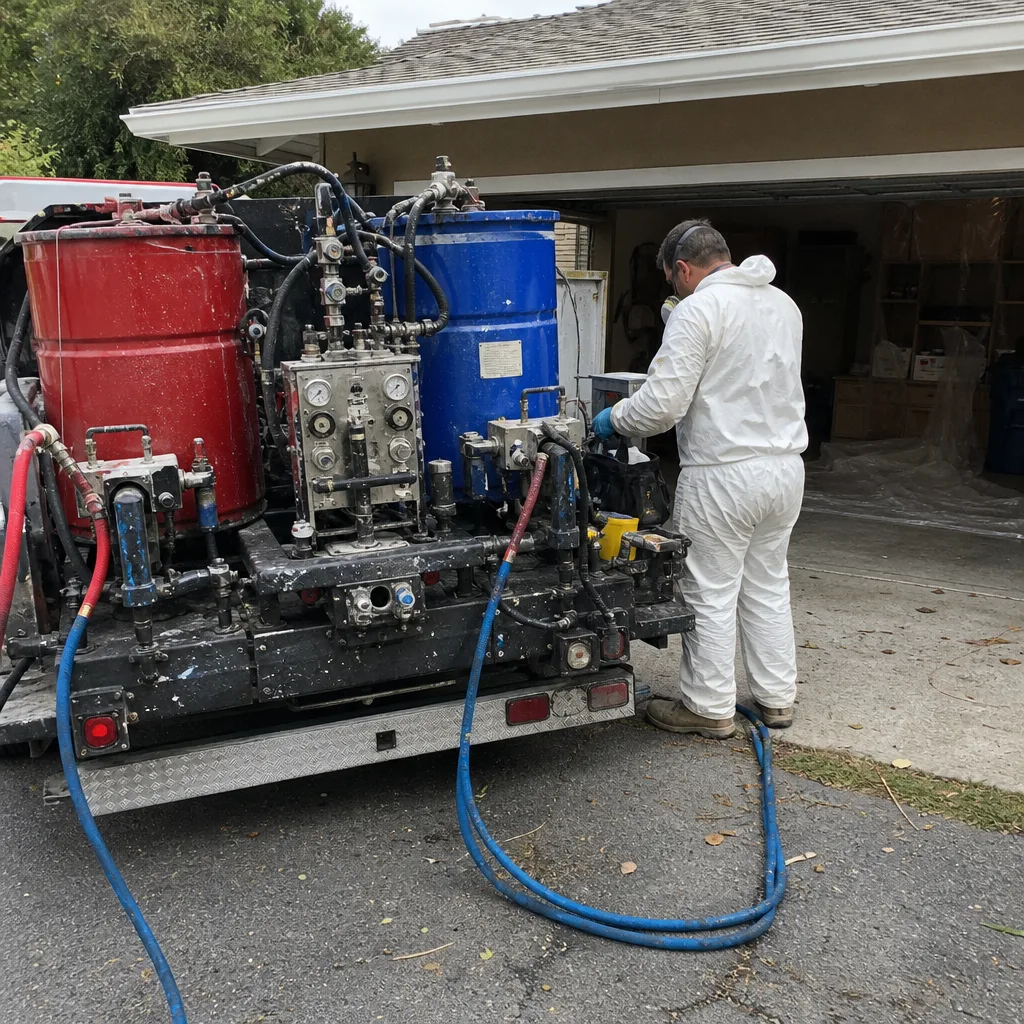
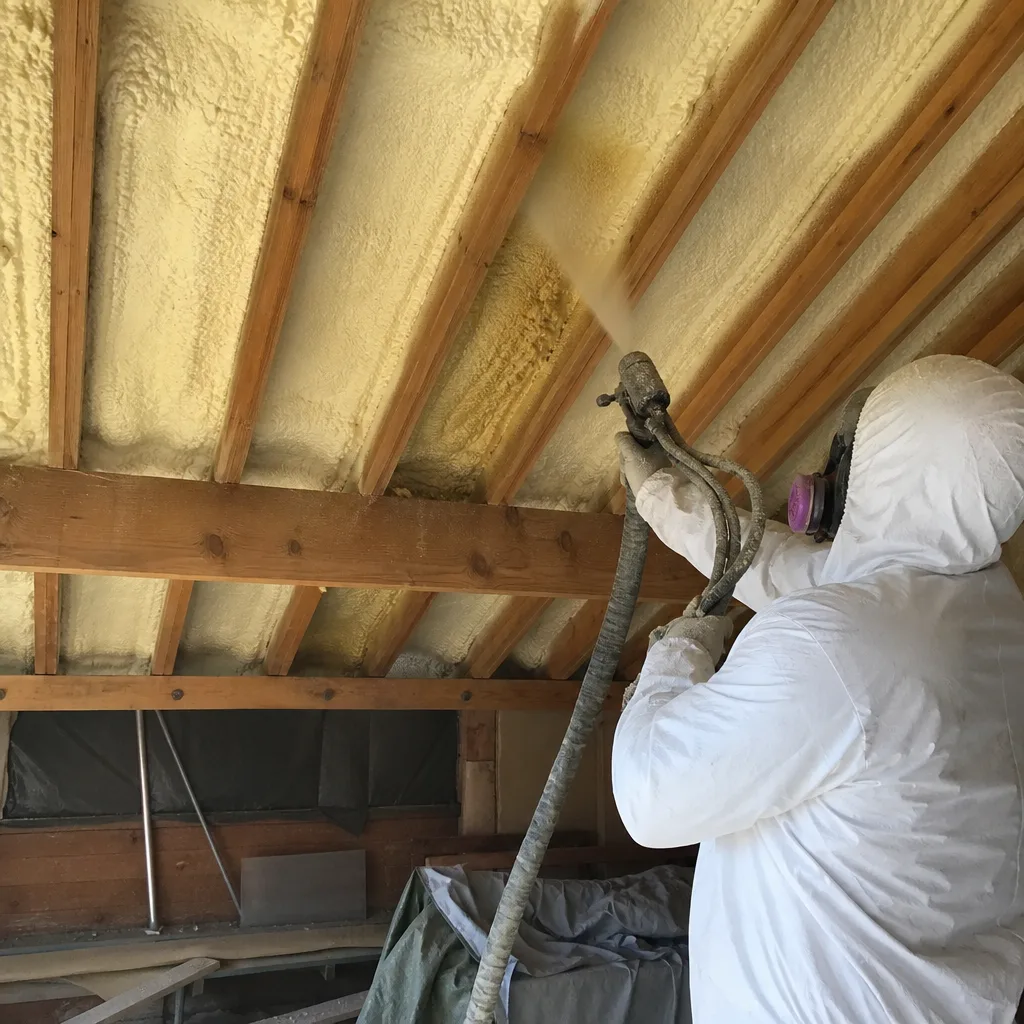
Mid-rise Koreatown buildings with shared walls and mixed-use layouts need air sealing that goes beyond what batts can do. Spray foam excels in the odd cavities, rim joists, and roof deck undersides we see across 90005, and it handles both thermal and acoustic separation when applied correctly. We carry open-cell lines from Icynene and Demilec, and closed-cell for areas that need higher R-value or vapor control. The full scope is covered at Spray Foam Insulation in Koreatown.
What happens when you call
- 1
A real person answersNo phone trees — you reach a local pro.
- 2
You get an upfront price rangeHonest numbers before anyone is dispatched.
- 3
A background-checked tech heads outLicensed & insured, dispatched right away.
- 4
You approve before work beginsNothing starts until you say go.
Blown In Insulation in Koreatown
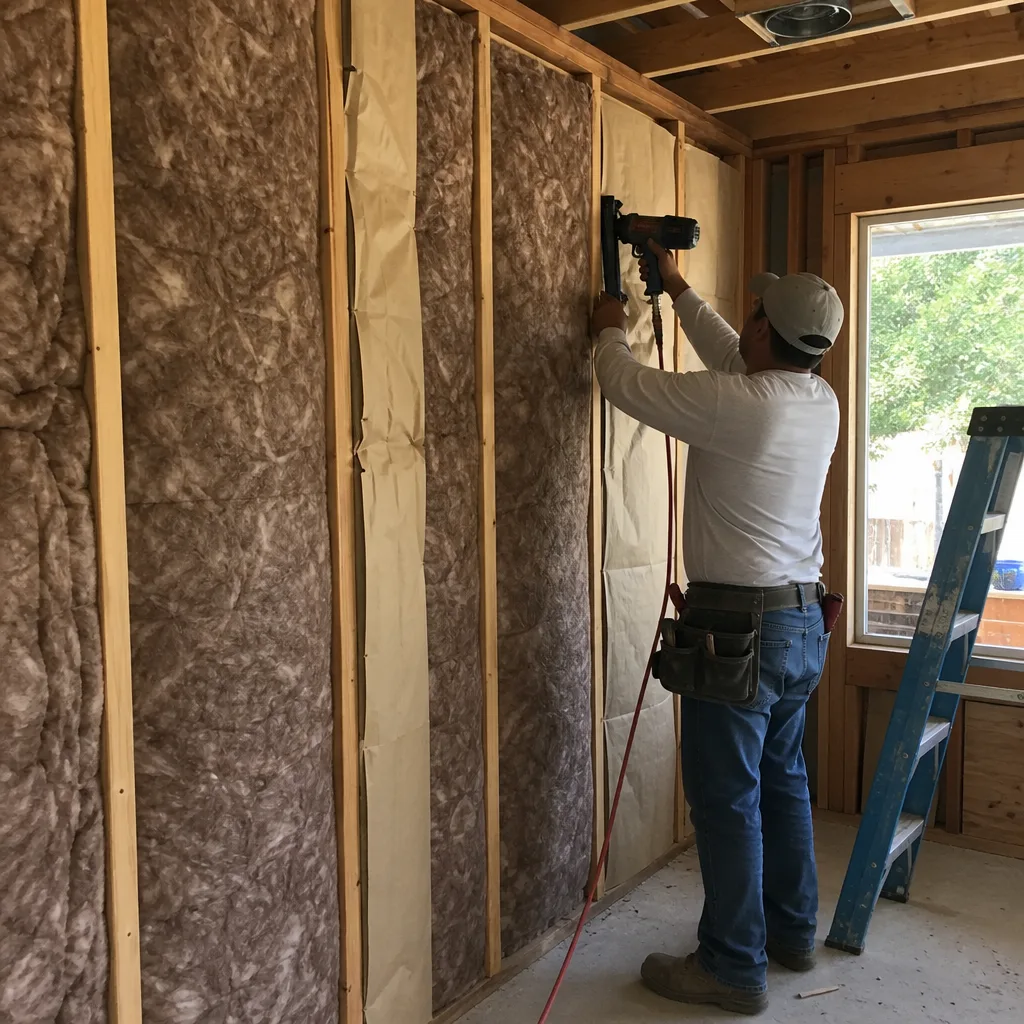
Blown in insulation is the workhorse for Koreatown attics because it fills irregular cavities fast and covers settled or degraded material in one pass. In buildings from the 1960s through the 2000s, original fiberglass batts in exterior walls and poorly sealed attic spaces mean blown in fiberglass or cellulose often delivers the most cost-effective comfort gain per dollar, especially where seismic retrofit work has opened access to cavities for the first time. As a dedicated insulation contractor, we compare loose-fill options side by side rather than steering every job toward one product; learn more at Blown In Insulation.
Cellulose Insulation
Signs you need it
Your attic has old, settled insulation measuring under R-30, or you notice upstairs rooms running 10 to 15 degrees hotter than the rest of the unit during summer afternoons.
What it costs in Koreatown
Dense-packed or loose-fill cellulose in a typical Koreatown attic runs $1.20 to $2.30 per square foot installed, depending on depth and whether we’re working around existing utilities.
How we do it
We test any existing material for asbestos when required, air-seal top plates and penetrations, then blow GreenFiber cellulose to the spec’d R-value, checking depth markers across the entire attic floor.
Blown In Attic Insulation
Signs you need it
Your cooling bills climb every summer while rooms under the flat or low-slope roof stay warm well into the evening, a pattern we see across Koreatown’s 1970s apartment blocks.
What it costs in Koreatown
Blown in attic insulation in Koreatown typically costs $1.00 to $2.30 per square foot installed, with cellulose landing at the lower end and fiberglass at the upper.
How we do it
We remove or test old material, seal bypasses around wiring and recessed fixtures, install baffles where needed for venting, and blow the insulation to a consistent, measured depth.
Blown In Cellulose Insulation
Signs you need it
You want better sound control between a Koreatown apartment and the unit above, or you have an attic with tight access where bagged batts would be difficult to place.
What it costs in Koreatown
Blown in cellulose for walls or attics in Koreatown runs $1.20 to $2.00 per square foot, which includes dense-packing shared wall cavities for acoustic separation.
How we do it
We dense-pack wall cavities through small access holes when the retrofit scope allows, or blow open-blow cellulose across attic floors to the manufacturer’s specified density.
Blown In Fiberglass Insulation
Signs you need it
Your attic currently holds old, compressed fiberglass batts and you want the fastest coverage upgrade without the moisture-retention concerns that sometimes come with cellulose.
What it costs in Koreatown
Blown in fiberglass in Koreatown runs $1.00 to $2.30 per square foot, and many building owners choose it for its lighter weight on older ceiling assemblies.
How we do it
We run the blower hose into the attic and distribute fiberglass in a uniform layer, using depth markers to verify the R-value matches what we quoted and what the building needs.
Loose Fill Insulation
Signs you need it
Your attic has awkward framing, plumbing vents, or conduit that makes batt installation impractical, leaving gaps and thermal bridges that show up as hot spots in the ceiling below.
What it costs in Koreatown
Loose fill insulation across a Koreatown attic floor runs $1.00 to $2.30 per square foot installed, depending on the material selected and the final R-value target.
How we do it
We treat loose fill as a system: seal first, then blow the material evenly, then verify final depth across the entire space so there are no thin spots over bedrooms or living areas.
What Blown In Insulation Costs in Koreatown
| Item | Typical range in Koreatown |
|---|---|
| Blown in fiberglass (attic, open blow) | $1.00 – $2.30 per sq ft |
| Blown in cellulose (attic, open blow) | $1.20 – $2.00 per sq ft |
| Dense-packed cellulose (wall cavities) | $1.50 – $2.30 per sq ft |
Multi-unit buildings can see lower per-square-foot pricing when we schedule several attics or wall cavities in one visit, but HOA access windows and parking for our equipment in central Koreatown can push the number up. We give you a line-item quote before work starts, so the table above is what you’ll actually pay.
Is blown in insulation worth it for a Koreatown apartment?
Yes. If your building’s attic is under R-30, adding blown in insulation is usually the single largest cooling-bill reduction you can make, especially on upper-floor units that catch afternoon sun. Call (877) 521-4987 for a free assessment and we’ll tell you honestly if your building needs it.
Can you handle HOA and retrofit coordination in Koreatown?
Yes. We’ve worked alongside seismic retrofit crews and HOA boards across 90005, and we schedule insulation work in the same wall openings the structural contractor creates. Call (877) 521-4987 to talk about timing.
Brands We Service in Koreatown
Porch Light Insulation installs products from eight manufacturers, and in Koreatown we most often reach for GreenFiber cellulose for loose-fill attics, Owens Corning fiberglass for cost-sensitive retrofits, and Icynene open-cell foam when air sealing is the priority. Parts and material arrive quickly from local supply yards, so we’re not waiting on cross-country shipments. See our brands for the full manufacturer roster.
Pricing for Insulation Company in Koreatown, CA
| Service | Typical range in Koreatown |
|---|---|
| Blown in fiberglass (attic) | $1.00 – $2.30 per sq ft |
| Blown in cellulose (attic) | $1.20 – $2.00 per sq ft |
| Dense-packed cellulose (walls) | $1.50 – $2.30 per sq ft |
In Koreatown, the biggest price variables are access, material testing, and coordination. Attics with old vermiculite that needs asbestos testing add a step before any insulation goes in, and mid-rise buildings with limited parking or HOA access windows can require more scheduling flexibility from our crew. Every quote is line-item and upfront, so the number we give you before the job is the number you pay when it’s done.
Neighborhoods We Serve in Koreatown
Our crews work throughout Koreatown and greater 90005, from the mixed-use corridors along Wilshire and Olympic to the residential streets west of Vermont and east of Western. We are familiar with the building types block by block, and the HOA and permit realities that come with them.
- Wilshire Center
- Harvard Heights
- Little Bangladesh
- Oxford Square
- Country Club Park (adjacent)
Most Koreatown estimates can be scheduled within a few days, and we work around building access rules and tenant schedules as needed.
Service Area – Cities Near Koreatown
Beyond Koreatown, Porch Light Insulation serves homeowners across central Los Angeles. We work in Los Angeles, CA, Echo Park, CA, Silver Lake, CA, and Hollywood, CA, applying the same insulation-specific focus to each building we walk into.
Serving Koreatown, CA — Our Local Coverage Area
We’re based in the Koreatown area and know this community well. Use the map below to see our service coverage — if you’re nearby, we can almost certainly help.
FAQs About Insulation Company in Koreatown
Most estimates in Koreatown happen within three to five business days, and we can often start work within two weeks once the quote is approved. Retrofit-coordinated jobs get scheduled around the structural contractor’s access windows, which we’ll map out before quoting. Call (877) 521-4987 to get on the calendar.
Insulation work in existing buildings typically does not require a standalone permit, but many Koreatown condos and mixed-use blocks require HOA or building-manager approval before we enter shared walls or attics. We provide spec sheets and material documentation to help that process move fast, and we’ve handled dozens of HOA submittals across 90005.
Yes. In 1920s bungalows and some 1970s conversions, we test disturbed attic material for asbestos before any removal or blow-in work proceeds. If testing comes back positive, we pause and bring in a licensed abatement contractor before we touch the insulation. The process adds time, but it is non-negotiable for safe work.
What happens when you call
- 1A real person answersNo phone trees — talk to a local insulation pro.
- 2You get an upfront price rangeHonest numbers before anyone is dispatched. No surprises.
- 3A background-checked tech heads outLicensed & insured, typically within the hour.
- 4You approve before work beginsNothing starts until you say go.
What Koreatown Customers Say
"He did a blower door test before and after and gave me the numbers. I like being able to see the difference rather than being told about it."
— Ruben Garcia"Handled the utility rebate paperwork, which knocked a real amount off the final cost."
— Adam Parker"Installed baffles at the soffits so the new insulation didn't block the ventilation, which the previous contractor apparently never considered."
— Cole Rhodes