Attic Insulation in Sierra Madre, CA: What It Costs and What Actually Works Here
Attic insulation in Sierra Madre typically runs $1,800 to $6,500 depending on the method, with blown-in cellulose and fiberglass landing between $2,200 and $4,200 for a standard 1,200-square-foot attic. Most jobs are completed in one day. The bigger question for Sierra Madre homeowners isn’t just cost, it’s whether your attic needs basic R-value, air sealing, or ember-resistant vent upgrades because of where your house sits near the foothills.
At Porch Light Insulation, we work on 1920s bungalows off Baldwin Avenue, mid-century ranches up near the canyon mouths, and everything in between. Call (877) 521-4987 for a free estimate. We’ll look at your actual attic, not guess from a satellite photo.
Why Sierra Madre’s Housing Stock Makes Attic Insulation Different Here
Most of Sierra Madre was built between the 1920s and the 1950s. That means wood-frame walls, lath-and-plaster interiors, and attics that were never designed for modern insulation. Many of these homes have zero wall insulation and attics with a thin layer of degraded cellulose that settled to R-6 or worse. In July, attic temperatures in Sierra Madre push past 140 degrees. That heat doesn’t stay in the attic. It radiates down through the ceiling into bedrooms and living spaces, which is why upstairs rooms in older foothill homes are often 10 to 15 degrees hotter than downstairs.
Gil Tanner, owner at Porch Light Insulation, has spent years working in Sierra Madre’s older homes. We know what’s behind those plaster ceilings. We know which attics have knob-and-tube wiring. And we know how to insulate without turning a $3,000 project into a $20,000 rewire.
Attic Cleaning Services in Sierra Madre
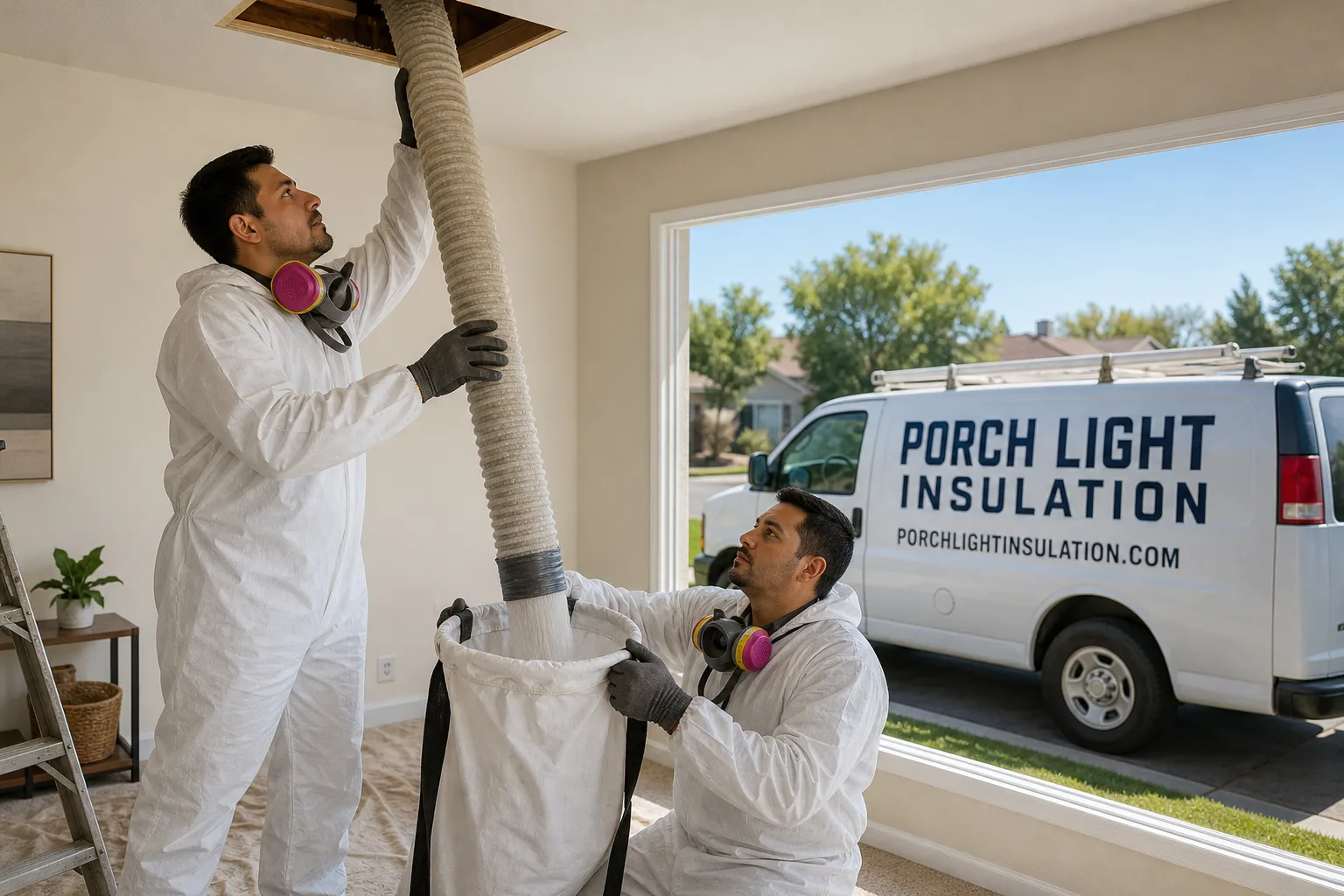
Attic Cleaning Services in Sierra Madre involve removing old insulation, rodent droppings, nesting material, dust, and debris before new insulation goes in. This matters more here than in newer neighborhoods because Sierra Madre’s foothill location means attics collect blown-in chaparral dust, and older homes with gable vents often have decades of rodent activity to deal with. A full attic cleaning in Sierra Madre runs $800 to $1,800 depending on attic size and how much contamination is present.
Rodent Infestation Cleanup
Older Sierra Madre homes frequently have rodent access points that were never sealed. Rats and squirrels get in through unscreened gable vents, gaps at the eaves, or where roof lines meet dormers. We remove contaminated insulation, sanitize the attic deck, and seal the entry points before installing new material. Leaving rodent-soiled insulation in place means you’re paying to heat and cool a space that smells and holds moisture.
Dust and Debris Removal Before New Insulation
If you’re topping up existing insulation, the old layer needs to be dry, level, and free of debris. In Sierra Madre attics we routinely find construction debris, old roof shingles, and fine dust from decades of wind blowing through the foothills. Vacuuming the attic deck clean gives the new insulation a proper surface to sit on and lets us spot air leaks at top plates and plumbing penetrations that would otherwise stay buried.
What happens when you call
- 1
A real person answersNo phone trees — you reach a local pro.
- 2
You get an upfront price rangeHonest numbers before anyone is dispatched.
- 3
A background-checked tech heads outLicensed & insured, dispatched right away.
- 4
You approve before work beginsNothing starts until you say go.
Attic Mold Removal in Sierra Madre
Attic Mold Removal in Sierra Madre usually costs between $1,200 and $3,500 and involves identifying the moisture source first, not just killing surface mold. Sierra Madre’s winter cool nights and occasional coastal fog create condensation conditions inside poorly ventilated attics, especially in older homes where bathroom fans vent into the attic instead of through the roof. Mold on rafters and roof sheathing grew because moisture got trapped. If we clean the mold and don’t fix the ventilation, it comes back.
Moisture Source Correction
We inspect bath fan terminations, kitchen exhaust runs, roof leaks, and the existing venting ratio. Many 1920s and 1930s Sierra Madre homes have too little ridge or gable venting for today’s building science standards. The fix is often as simple as adding baffles at the eaves and increasing exhaust ventilation at the ridge so warm, moist air actually leaves the attic. Mold removal without this step is a wasted expense.
Insulation Replacement After Mold Remediation
Mold-contaminated insulation cannot be cleaned. It gets bagged, removed, and replaced. After we remediate the mold and correct the moisture problem, we install new material matched to your attic’s needs. In Sierra Madre, that’s often blown-in GreenFiber cellulose because it fills irregular cavities in older framing and compresses around obstructions like old roof trusses and dormer framing.
Common Attic Insulation Problems We See in Sierra Madre Homes
- Settled, rodent-contaminated cellulose in 1920s bungalows. Original insulation in Sierra Madre homes near the downtown core often tested at R-6 or below after decades of settling, rodent activity, and moisture exposure. The attic looks insulated but isn’t doing much of anything.
- Knob-and-tube wiring blocking new insulation. Many older Sierra Madre homes still have active knob-and-tube circuits running through the attic floor. You can’t blow insulation over energized conductors, so crews must air-seal around each ceramic knob and route new material carefully. We do this often enough that it doesn’t slow us down.
- No ember-resistant vent screening near canyon mouths. Homes on the north side of Sierra Madre, closer to Bailey Canyon and Santa Anita Canyon, fall under Chapter 7A wildfire ember-zone requirements. Missing or undersized vent screens let wind-driven embers into the attic during red flag conditions. That’s a fire risk, not just a comfort issue.
- Extreme attic heat on south- and west-facing slopes. Foothill homes that catch afternoon sun experience attic temperatures far above the flatland norm. Without adequate insulation and ventilation, radiant heat transfers through the ceiling assembly and drives up AC run times from May through October.
Pricing for Attic Insulation in Sierra Madre, CA
Here’s what we charge in the 91024 and 91025 zip codes, based on the homes we’ve worked on here.
| Service | Typical Cost in Sierra Madre |
|---|---|
| Attic Insulation Top-Up (add R-19 to R-38 over existing) | $1,800 – $3,200 |
| Full Attic Insulation Replacement (remove old, install new to R-38) | $3,000 – $5,500 |
| Attic Cleaning (full removal, sanitation, prep) | $800 – $1,800 |
| Attic Mold Removal (remediation plus moisture correction) | $1,200 – $3,500 |
| Attic Baffles and Ventilation Prep (per attic, typical) | $400 – $900 |
Insurance discounts don’t lower the quote, but certain upgrades like closed-cell spray foam qualify for utility rebates in LA County. We’ll check that for you. Estimates are free, and there’s no obligation. Call (877) 521-4987 and we’ll get you exact numbers for your specific attic, not a range pulled from a national database.
Our Approach to Sierra Madre’s Chapter 7A Ember-Zone Requirements
Sierra Madre’s foothill streets near Bailey Canyon and Santa Anita Canyon fall under California’s Chapter 7A wildfire ember-zone requirements. That means attic insulation decisions here often hinge on ember-resistant vent screening, a code driver that doesn’t apply to flatland bungalows a few miles south in Arcadia or Monrovia. Wind-driven embers enter attics through unscreened gable vents and eave openings. Once inside, they ignite old dust, rodent nests, or dried-out cellulose. The right vent screening is 1/8-inch mesh or smaller, and it has to be installed so embers can’t pass around the edges. We screen vents as part of any attic insulation project in ember-zone areas, and we’ll tell you if your home actually falls in the zone or not.
A Field Story From a 1928 Bungalow Off East Mira Monte Avenue
On a 1928 bungalow off East Mira Monte Avenue, our crew found the original attic insulated with a thin layer of degraded cellulose that had settled to R-6 and was infiltrated by rodent nests. The knob-and-tube wiring running through the joists meant we had to air-seal around each ceramic knob without disturbing the conductors. We removed the old material, air-sealed the top plates and penetrations, and blew in GreenFiber cellulose to R-38, then screened the gable vents with 1/8-inch mesh to meet ember-zone expectations. The homeowner reported the upstairs bedroom dropped several degrees during the next heat wave.
That’s the kind of job we do regularly in Sierra Madre. It’s not a clean, empty attic like a new build. It’s old wiring, old framing, and existing conditions that need to be worked around carefully. Most insulation crews don’t want to touch knob-and-tube. We’ve done it enough times in this town to know how to do it safely and to code.
How We Match Insulation to a Home’s Age in Sierra Madre
Different eras of Sierra Madre housing need different materials. A 1920s bungalow with lath-and-plaster walls and open wall cavities needs a different approach than a 1970s ranch up on a hillside lot. We carry products from Owens Corning, CertainTeed, and GreenFiber, so we can match the material to the home rather than forcing whatever is on the truck into your attic. If your attic has damaged reflective barriers, we also handle Reflectix repair in Sierra Madre.
- Pre-war bungalows and cottages: Blown-in cellulose works well because it fills irregular bays and compresses around old framing. Air sealing is critical first. Knob-and-tube wiring must be addressed before insulation goes in.
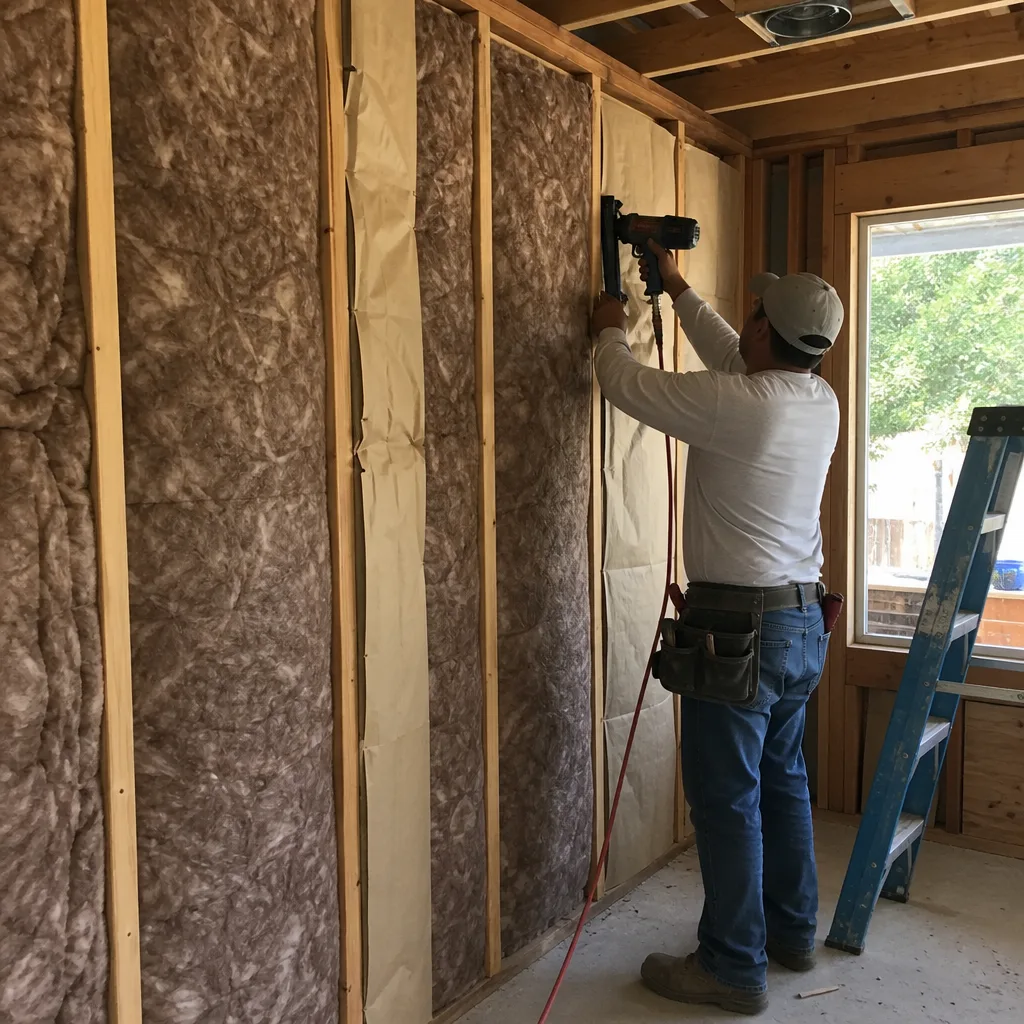
- Mid-century ranch homes: Fiberglass batts or blown-in fiberglass perform well in standard joist spacing. These homes often have accessible attics and benefit from baffles at the eaves to maintain ventilation flow.
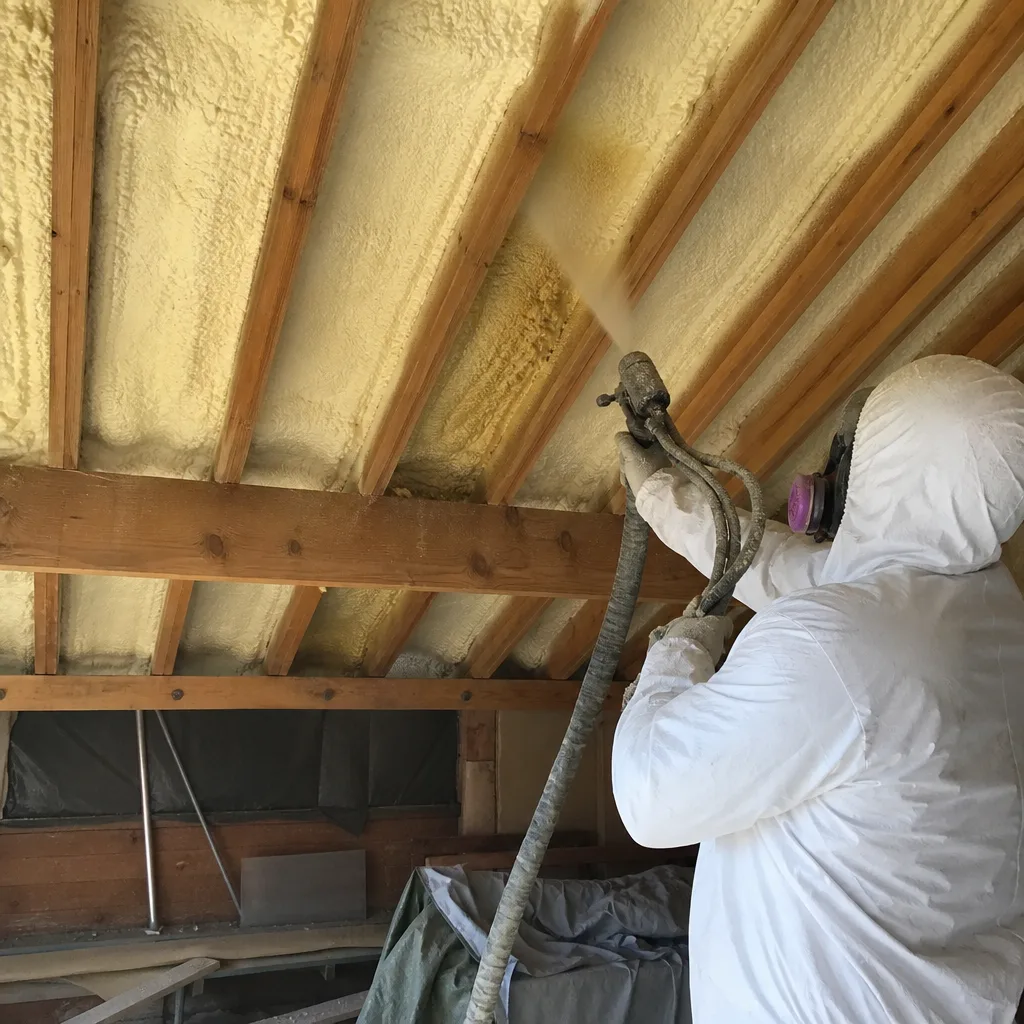
- Custom foothill homes on sloped lots: Many have vaulted or partially vaulted ceilings, which limits attic access. Open-cell spray foam (Icynene or Demilec) applied to the roofline is often the cleanest solution, providing air sealing and R-value in one step.
Insulation is all we do. We don’t have a roofing division or an HVAC crew trying to upsell you. When we tell you a specific product makes sense for your home, it’s because that material solves your problem, not because we need to move inventory.
Why Porch Light Insulation for Your Sierra Madre Attic
We’re an insulation-only contractor. That matters when you’re dealing with a 90-year-old attic that has knob-and-tube wiring, rodent contamination, and no vent screening. General contractors don’t carry eight manufacturer lines. They carry whatever their supplier stocks. We install products from Owens Corning, GreenFiber, Icynene, Demilec, and four other manufacturers, so the material gets matched to your attic, not to our warehouse.
We also handle all three primary methods: Attic Insulation, blown-in insulation, and spray foam. That means you can compare approaches on the same quote. A fiberglass-only company is going to tell you fiberglass is best. A foam-only company is going to tell you foam is best. We’ll tell you what your attic actually needs and show you the numbers for each option side by side.
Since 2018, Gil Tanner has built this company around one idea: insulation deserves the same expertise that HVAC or electrical work gets. We don’t split our attention across five trades. Every estimator, every installer, every recommendation is insulation-specific. If you live in Sierra Madre, that means we know your housing stock, your climate, and your code requirements before we even ring the doorbell.
Why Sierra Madre’s Weather Makes Attic Insulation a Year-Round Concern
People think of insulation as a winter thing. In Sierra Madre, winter is when you’d least notice a problem. The real pain is summer. Those inland heat waves push attic temperatures into the 130s and 140s, and that heat sinks through the ceiling into living spaces. If your AC runs constantly from June through September and your upstairs is still uncomfortable, your attic insulation is failing. Winters are mild here, but cool nights and morning fog create attic condensation when warm interior air leaks past the ceiling into a cold roof space. That’s how mold starts. Good insulation plus proper ventilation solves both problems.
If your home is near the foothill streets close to canyon mouths, you have a third concern: ember intrusion during red flag conditions. Chapter 7A vent screening is not optional in those zones. We screen vents as part of every attic project in those areas, and we’ll let you know if your home falls under that requirement even if you didn’t realize it.
We Also Serve Cities Near Sierra Madre
Porch Light Insulation serves Attic Insulation in Sierra Madre and the surrounding foothill communities. If you’re in Arcadia, East Pasadena, Mayflower Village, or Monrovia, we bring the same insulation-specific expertise and manufacturer selection to your attic. Call (877) 521-4987 and we’ll schedule a time that works for you.
Serving Sierra Madre, CA — Our Local Coverage Area
We’re based in the Sierra Madre area and know this community well. Use the map below to see our service coverage — if you’re nearby, we can almost certainly help.
FAQs About Attic Insulation in Sierra Madre
If your home sits near Bailey Canyon, Santa Anita Canyon, or other canyon mouths on the north side of Sierra Madre, you likely fall under Chapter 7A wildfire ember-zone requirements, which means your attic vents need 1/8-inch or smaller ember-resistant screening regardless of what insulation you choose. Ember-resistant insulation isn’t a separate product category; the requirement applies to vent openings. We check your location against the zone map and screen vents as part of any attic insulation project. Call (877) 521-4987 and we’ll tell you where your home falls.
Yes, in most cases. We air-seal around each ceramic knob and tube and route new insulation carefully so it doesn’t contact energized conductors. We work with your electrician if any sections of wiring need replacement, but we don’t trigger unnecessary rewires. This is common in Sierra Madre’s 1920s and 1930s homes, and we’ve done enough of them to know how to work efficiently around old wiring.
For the attic in a mid-century ranch, blown-in fiberglass or cellulose to R-38 is usually the right call. For the walls, blown-in dense-pack cellulose can fill those lath-and-plaster cavities without opening the walls, though many 1950s ranches also respond well to closed-cell spray foam if you’re already doing a remodel. The right answer depends on access, budget, and whether you’re opening walls anyway. We’ll show you options for both approaches.
We find the moisture source first. In Sierra Madre’s older homes, that’s usually bathroom fans venting into the attic or inadequate ridge and eave venting. We correct the moisture problem, remove contaminated insulation, sanitize the affected framing, and install new insulation plus proper baffles and ventilation. Mold removal without moisture correction just invites the mold back within a year.
Because Sierra Madre’s inland summer sun drives attic temperatures well past 130 degrees, and older homes here lack the insulation depth and ventilation needed to resist that heat gain. The attic heat radiates through the ceiling into your living space. Adding insulation to R-38 plus proper ventilation cuts that transfer dramatically. It’s a summer comfort fix more than a winter warmth fix in this climate.
Get a Free Attic Insulation Estimate in Sierra Madre
We’ll come out, get in your attic, measure what’s there, and show you exactly what needs to happen and what it costs. No pressure, no upsell. Just straightforward answers from an insulation contractor who knows Sierra Madre’s homes. Call (877) 521-4987 today.
Written by Gil Tanner, Owner at Porch Light Insulation, serving Sierra Madre since 2018.