
Insulation Company in Rolling Hills Estates, CA
Blown in insulation is the most common request we get from Rolling Hills Estates homeowners, and for good reason. The 1950s and 1960s custom homes here were built with thin original batts that have settled, compressed, or simply given up after decades of coastal fog working through the attic. We’re Porch Light Insulation, an insulation-only contractor, and we’ve served Rolling Hills Estates since 2014. Call us at (877) 521-4987 for a free estimate on blown in insulation, attic insulation, or spray foam.
Why Rolling Hills Estates Homes Are Different
Rolling Hills Estates sits on the Palos Verdes Peninsula, where the marine layer rolls in most afternoons and hangs around until mid-morning. That means attics here are cooler and damper than inland LA attics, and moisture control matters as much as R-value. Cottony fog finds its way through ridge vents, gable vents, and soffit gaps, settling into fiberglass batts and slowly eroding their performance. Homes along canyon edges like those near Dapplegray and Empty Saddle see stronger wind-washing than homes on the interior streets, and we routinely find the downhill side of an attic with fallen or compressed batts while the uphill side looks fine.
The housing stock runs mostly to 1950s through 1970s custom and semi-custom single-family homes. Many have open-beamed ceilings and vaulted spaces that standard batt installation was never designed for. Additions over the decades have created irregular attic cavities, knee walls, and dead air spaces that hold moisture and let conditioned air escape. If your home has been remodeled more than once, there’s a good chance the insulation in the original section and the addition are completely different animals. We match the material to your home, not to our inventory.
Our Main Rolling Hills Estates Services
While blown in insulation is the workhorse for most Rolling Hills Estates attics, two other methods come up constantly and have their own dedicated pages. Here’s what each one involves here.
Attic Insulation in Rolling Hills Estates
Attic insulation in Rolling Hills Estates usually means removing failed batts and installing a vapor-conscious system that can handle the peninsula’s damp air. We frequently see original 1960s fiberglass that has been soaked by fog-driven moisture and then compressed by storage boxes and tradespeople. The fix isn’t just adding more on top. It’s getting air movement under control first. On hillside homes where the underfloor is exposed to ocean air on one side and sheltered on the other, the attic often has temperature differences from one end to the other, and that drives air leakage through every gap it can find. Read the full breakdown at Attic Insulation in Rolling Hills Estates.
Spray Foam Insulation in Rolling Hills Estates
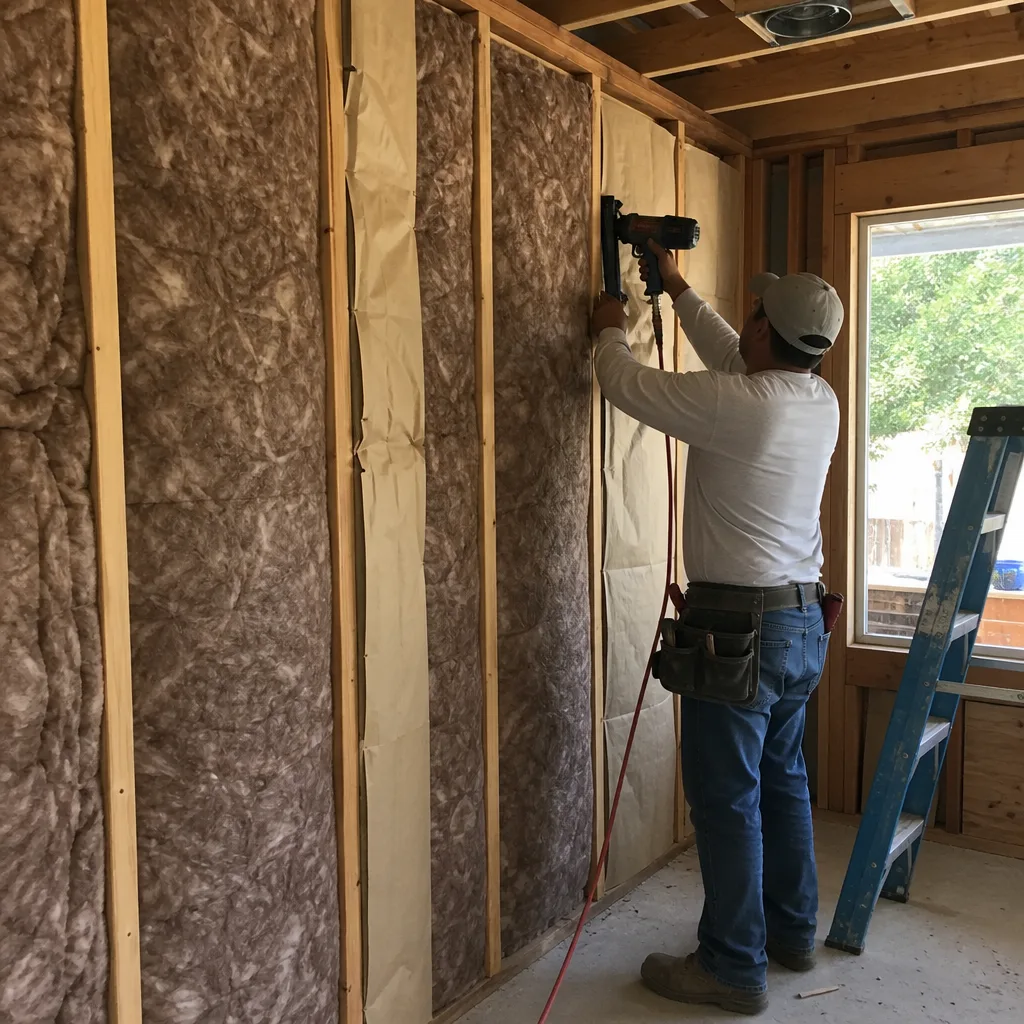
Spray foam in Rolling Hills Estates solves a specific set of problems: irregular cavities, knee walls, open-beamed vaulted ceilings, and air sealing in one pass. The marine air that pushes into canyon-edge attics carries moisture, and closed-cell spray foam acts as a vapor barrier as well as insulation, which is a meaningful advantage in this climate. We install both open-cell and closed-cell products, including Icynene and Demilec lines. For homes with additions that created awkward transitions between old and new framing, foam is often the only material that fills every void completely. See Spray Foam Insulation in Rolling Hills Estates for the full picture.
What happens when you call
- 1
A real person answersNo phone trees — you reach a local pro.
- 2
You get an upfront price rangeHonest numbers before anyone is dispatched.
- 3
A background-checked tech heads outLicensed & insured, dispatched right away.
- 4
You approve before work beginsNothing starts until you say go.
Blown In Insulation in Rolling Hills Estates
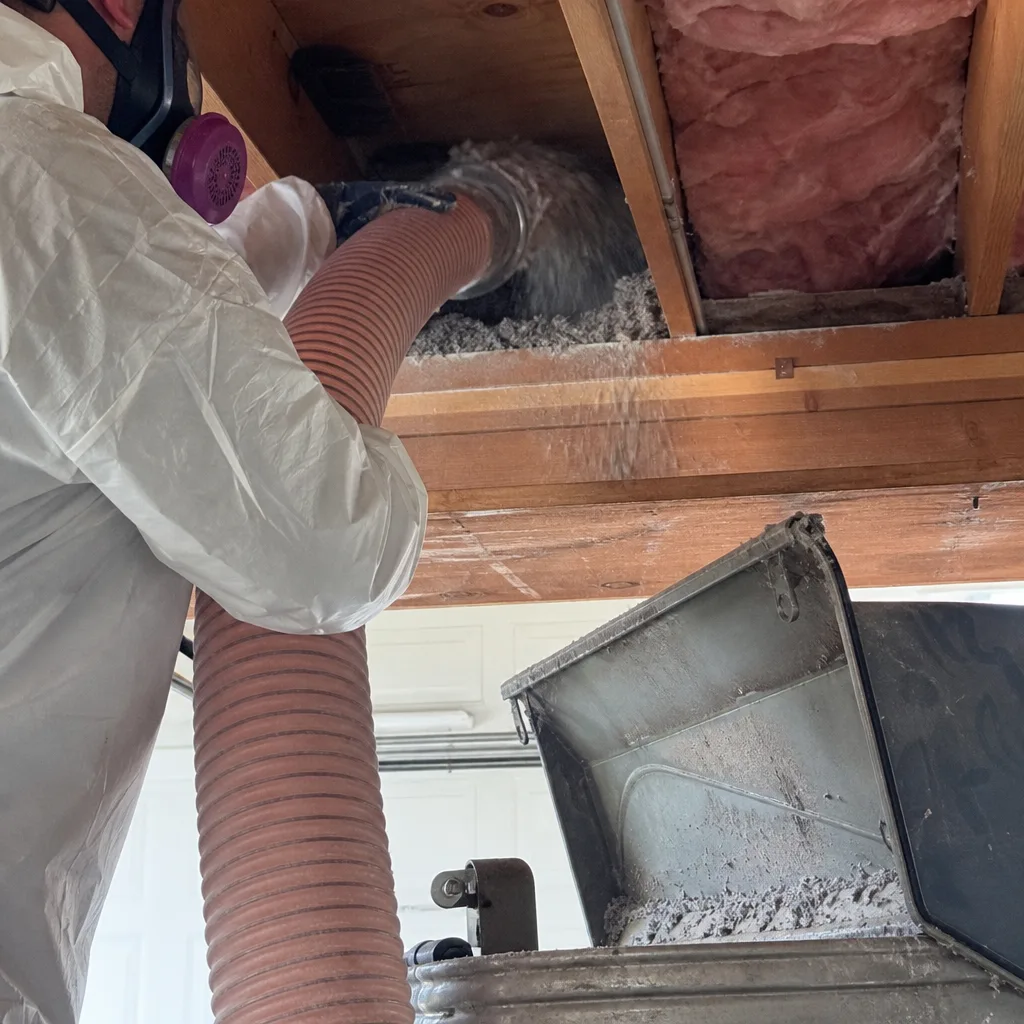
Blown in insulation is the fastest way to bring a Rolling Hills Estates attic up to modern performance without gutting anything. Most homes we see in the 90505 ZIP code still have the original 2×4 or 2×6 batt insulation from the Eisenhower or Nixon administrations, and it’s simply not doing the job anymore. Loose-fill blown insulation can be installed in a single day, fills irregular cavities that batts can’t reach, and costs significantly less than spray foam when the framing is conventional. We’ve been blowing attics across Rolling Hills Estates since 2014, and the marine layer bothers loose-fill far less than it bothers old faced batts. For a deeper look at the method itself, see our Blown In Insulation page.
Cellulose Insulation
Signs you need it
Your attic feels cold and damp in the morning, your upstairs rooms never hold temperature, and you can see old, darkened fiberglass that’s clearly been through decades of fog cycles.
What it costs in Rolling Hills Estates
Cellulose insulation in Rolling Hills Estates typically runs $1.20 to $2.00 per square foot installed, depending on depth and access.
How we do it
We remove air leaks first, then blow GreenFiber cellulose to the target depth across the entire attic floor, keeping every eave vent clear so the marine air has an exit path.
Blown In Attic Insulation
Signs you need it
Your heating bills spike every summer fog season, rooms on the west side of the house are 10 degrees warmer than the east side, and the existing attic insulation looks thin or patchy when you peek up there.
What it costs in Rolling Hills Estates
Blown in attic insulation in Rolling Hills Estates generally lands between $1.20 and $2.60 per square foot for fiberglass or cellulose at full code depth.
How we do it
We test for existing moisture, remove or top up what’s there, air-seal the attic floor penetrations, then blow the loose-fill to an even depth that accounts for the wind-washing zones near your ridge and soffit vents.
Blown In Fiberglass Insulation
Signs you need it
You want an insulating material that won’t absorb moisture, won’t settle as much as cellulose, and you don’t want to deal with the weight of dense-pack products on older ceiling drywall.
What it costs in Rolling Hills Estates
Blown in fiberglass insulation in Rolling Hills Estates typically costs $1.50 to $2.60 per square foot installed to full attic depth.
How we do it
We use manufacturer-specified blowing machines, calibrate density as we go, and install to the R-value target you approved in the estimate, not to whatever the bag count happened to produce.
Loose Fill Insulation
Signs you need it
Your attic has awkward, irregular cavities from a 1980s remodel, knee walls that old batts fell out of, or open-beamed sections that are impossible to batt neatly.
What it costs in Rolling Hills Estates
Loose fill insulation in Rolling Hills Estates falls in the $1.20 to $2.60 per square foot range, with the lower end for simple attics and the higher end for difficult access.
How we do it
We map the attic first, identify the problem cavities, and blow the loose fill into every irregular space at consistent density so there are no thin spots for fog-driven air to exploit.
What Blown In Insulation Costs in Rolling Hills Estates
| Item | Typical range in Rolling Hills Estates |
|---|---|
| Cellulose blown in (attic floor) | $1.20 – $2.00 per sq ft |
| Blown in fiberglass (attic floor) | $1.50 – $2.60 per sq ft |
| Loose fill for irregular cavities / knee walls | $1.20 – $2.60 per sq ft |
The spread in Rolling Hills Estates comes mostly from access. A simple ranch with a full-height attic and a pull-down ladder sits at the low end. A hillside home with a scuttle-sized hatch, short roof pitch, and irregular framing that forces the crew to work bent over for hours sits at the high end. We give you a fixed price before work starts, so the number on the estimate is the number you pay.
Can you fix blown in insulation the same day?
Yes, most Rolling Hills Estates attics are done in a single day. The caveat is that if we find wet or moldy existing insulation during inspection, removal adds time and cost. Call (877) 521-4987 to schedule a look.
Is blown in insulation better than batts for Rolling Hills Estates attics?
For most of the hillside and canyon-edge homes here, yes. Loose fill fills irregular cavities that batts can’t, and it’s less vulnerable to the fog-driven drafts that displace faced batts along the downhill side of attics. Call us for an honest comparison.
Brands We Service in Rolling Hills Estates
We carry and install products from eight manufacturers, including Owens Corning, GreenFiber, Icynene, and Demilec. We keep the common blown-in materials stocked for quick scheduling, and we can have specialty products on site within a few days. See our brands for the full line.
Pricing for Insulation Company in Rolling Hills Estates, CA
| Service | Typical range in Rolling Hills Estates |
|---|---|
| Blown in attic insulation (fiberglass or cellulose) | $1.20 – $2.60 per sq ft |
| Cellulose insulation | $1.20 – $2.00 per sq ft |
| Blown in fiberglass insulation | $1.50 – $2.60 per sq ft |
| Loose fill insulation | $1.20 – $2.60 per sq ft |
The two things that push blown in insulation prices up in Rolling Hills Estates are difficult attic access and existing moisture that needs remediation before new material goes in. Hillside homes and homes with original 1960s framing often fall into both categories. Whatever the quote, it’s fixed before we start, and you’ll never see a surprise line item at the end.
Neighborhoods We Serve in Rolling Hills Estates
We work throughout the 90505 ZIP code, from the canyon-edge streets near the bridle trails to the flatter sections near the Peninsula Center. Our crews are familiar with the access quirks of each part of town. Typical response time for an estimate in Rolling Hills Estates is same-week.
- Dapplegray area
- Empty Saddle
- Montevideo
- Palos Verdes Drive East corridor
- Peninsula Center area
Service Area – Cities Near Rolling Hills Estates
We also serve the surrounding South Bay and peninsula communities, so if you’re just outside Rolling Hills Estates, we can help. Our nearby coverage includes Palos Verdes Estates, CA, Torrance, CA, Lomita, CA, and Manhattan Beach, CA. Call us at (877) 521-4987 to confirm service for your address.
Serving Rolling Hills Estates, CA — Our Local Coverage Area
We’re based in the Rolling Hills Estates area and know this community well. Use the map below to see our service coverage — if you’re nearby, we can almost certainly help.
FAQs About Insulation Company in Rolling Hills Estates
We typically schedule estimates in Rolling Hills Estates within the same week you call. Since we’re an insulation-only contractor, our estimators aren’t splitting their week between roofing and HVAC calls. Call (877) 521-4987 to get on the calendar.
Most straightforward insulation replacement and top-up work in Rolling Hills Estates does not require a city permit. If your project involves structural changes or spray foam in certain applications, the rules can change. We’ll tell you during the estimate whether your specific job needs a permit, and we handle the paperwork if it does.
Yes, hillside lots and canyon-edge homes are a big part of our Rolling Hills Estates workload, and difficult access is normal here. Our crews are used to scuttle holes, short attic heights, and sloped terrain. We’ll give you a straight answer on what’s possible and what it costs after we see the space.
If your Rolling Hills Estates home is fighting the marine layer and losing, call Porch Light Insulation at (877) 521-4987 for a free estimate. We match the material to your home, not to our inventory.
What happens when you call
- 1A real person answersNo phone trees — talk to a local insulation pro.
- 2You get an upfront price rangeHonest numbers before anyone is dispatched. No surprises.
- 3A background-checked tech heads outLicensed & insured, typically within the hour.
- 4You approve before work beginsNothing starts until you say go.
What Rolling Hills Estates Customers Say
"He did a blower door test before and after and gave me the numbers. I like being able to see the difference rather than being told about it."
— Ruben Garcia"Handled the utility rebate paperwork, which knocked a real amount off the final cost."
— Adam Parker"Installed baffles at the soffits so the new insulation didn't block the ventilation, which the previous contractor apparently never considered."
— Cole Rhodes